AUTOMATED WATCH // HUMAN-VERIFIED FACTS
ROS Legacy Source Tracker
This page shows which official sources the wiki re-checks and when. Every six hours it reads the official ROS Legacy site, the Mirae Labs account portal, the Android and PC download endpoints, the official Discord and the Myth Games game directory, plus one labelled community video feed. Source health and new creator uploads update automatically; claims about release timing, downloads and final gameplay still wait for a person to compare the changed source with the existing page.
7 of 7 sources healthy
Automatic output: source health, check time and community-video discovery. Human review: release timing, installers, platforms and final-game claims.
01Four signals with different authority
The official site and the operator's dated link list own the public access message. The checks recorded the August 15 switch from Coming Soon and Pre-Register to Play Free Now on the former game page, and then that page's withdrawal in September, when the operator moved registration to Mirae Labs and opened mobile Pre-OBT, followed on September 25 by the Open Beta label and the move of the PC installer to dl.roslegacy.net/full. A change on a source is a reason to inspect it, not permission to infer a calendar release date. The stable client endpoints are checked separately, so a new installer or APK file is noticed on its own.
The Myth Games game directory at chain.mythgames.net is watched separately because it provides company-level labels such as project status and genre; on September 22, 2026 it still said Under Development. The Discord invite check confirms that discord.gg/roslegacy still resolves and records the member count. Keeping these checks separate reveals whether one source changed while the others stayed the same, which is more useful than blending every page into one vague status.
Falcon2FAST's public YouTube feed is the fourth source and is deliberately marked community. New matching uploads can appear in the video archive automatically, with title, date and creator attribution. They help visitors discover recent footage, including test, download and Discord discussions, but they cannot override the first-party access state or replace the official client link.
02What the automation actually compares
For ordinary web pages, the monitor removes scripts, styling and build-system noise before focusing on visible text around ROS Legacy status terms. It hashes that stable snapshot and compares it with the previous successful run. This avoids raising an alert just because a hosting platform changed a JavaScript filename or deployment identifier while the player-facing message stayed the same.
For the video feed, the stable snapshot contains matching video IDs, titles and publication times. A new upload, changed title or revised feed entry creates a difference. View counts are excluded because they change constantly and would create useless alerts. The current feed window is intentionally limited, keeping the on-site archive recent instead of pretending to be a complete history of the creator's channel.
Each run also records HTTP health, the resolved destination and the time of the check. A temporary request failure is shown as a source-health problem; it does not erase the previous successful snapshot or turn a missing response into a development conclusion.

03Why release facts still require review
A web page can change for reasons that have nothing to do with access: a spelling correction, a redesigned footer, a new image or an update to another game in the company portfolio. Publishing a release date from any raw difference would be reckless. Each meaningful change is therefore written up in plain language and read by a person before any guide on this site is edited.
That person checks the changed official page, identifies the exact player action affected and updates the guide that answers that question. A published test window belongs on the release page. A verified installer or APK belongs on the download or mobile page. Named mechanics belong in the gameplay file with the relevant build or source date. The chronological updates page then records the change without duplicating a full guide.
This boundary gives the site both speed and control: discovery is automatic, while interpretation remains accountable. Community uploads can refresh the clearly labelled media feed because their title and source are displayed as-is; high-risk claims cannot skip the verification step.
04How to read a quiet or failing radar
A quiet radar means the monitored public snapshot did not change. It does not prove that development stopped, and it does not prove that no private test exists. It only says that the public sources in this list supplied the same tracked signal at the last successful check. That narrow meaning is valuable because it prevents silence from becoming a headline.
An error badge means the monitor could not obtain or parse one source during the most recent run. The previous successful result remains available, but its age should be considered before acting on it. If the official site fails while the download endpoints remain healthy, visitors should use the direct links below and avoid drawing a release conclusion from the outage.
The source list is intentionally small. A new official news page, store page or patch-note feed should be added when Myth Games publishes it. Fan posts, repost accounts and download mirrors stay outside the automatic authority chain even when they are popular, because reach is not the same as provenance.
Latest matching field footage
Titles and dates come from the creator feed. They are discovery links, not Myth Games announcements.

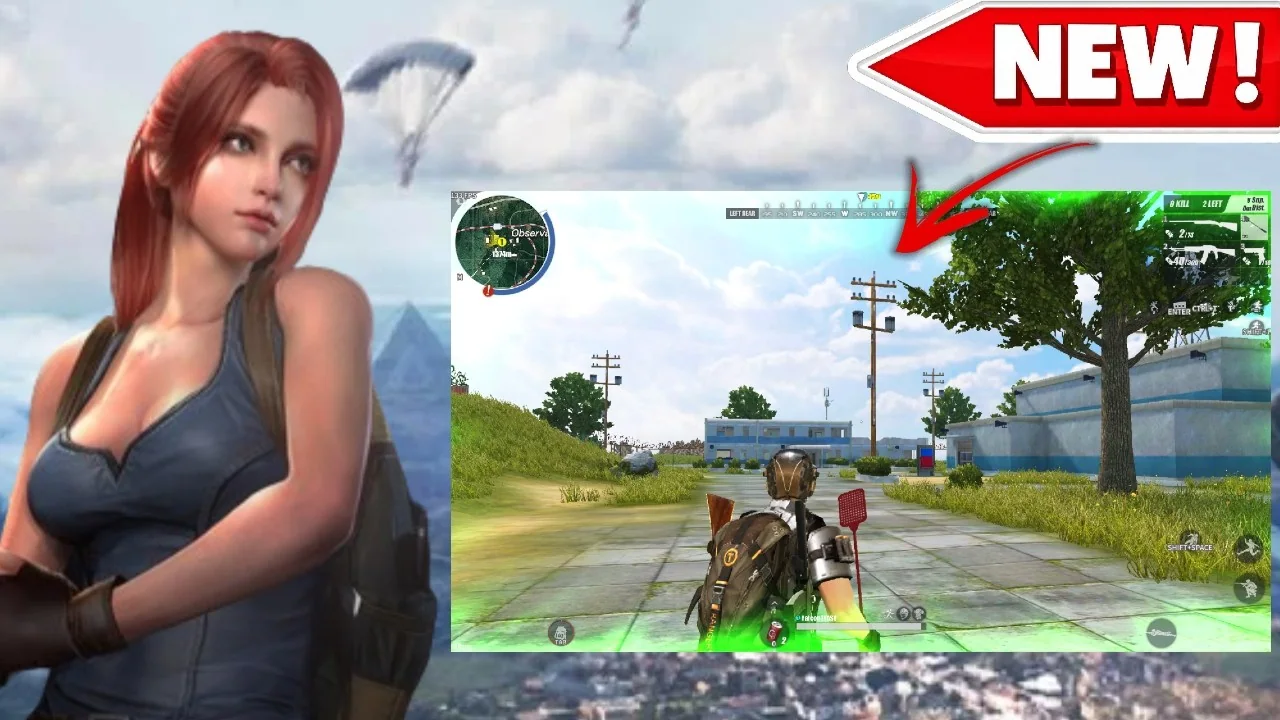
ROS Legacy: North America Server is HERE!
Open on YouTube ↗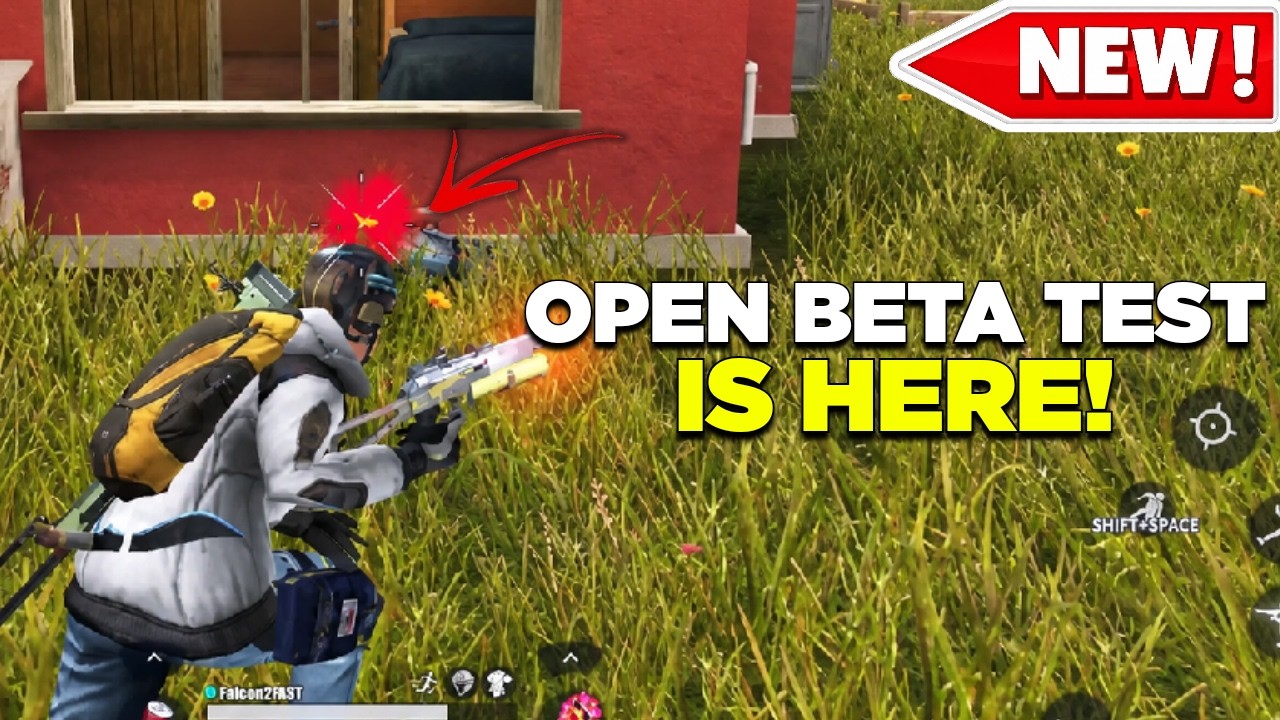
ROS Legacy: Open Beta Test is FINALLY HERE!
Open on YouTube ↗
How to Migrate & Download ROS Legacy from Mirae Labs Full Tutorial!
Open on YouTube ↗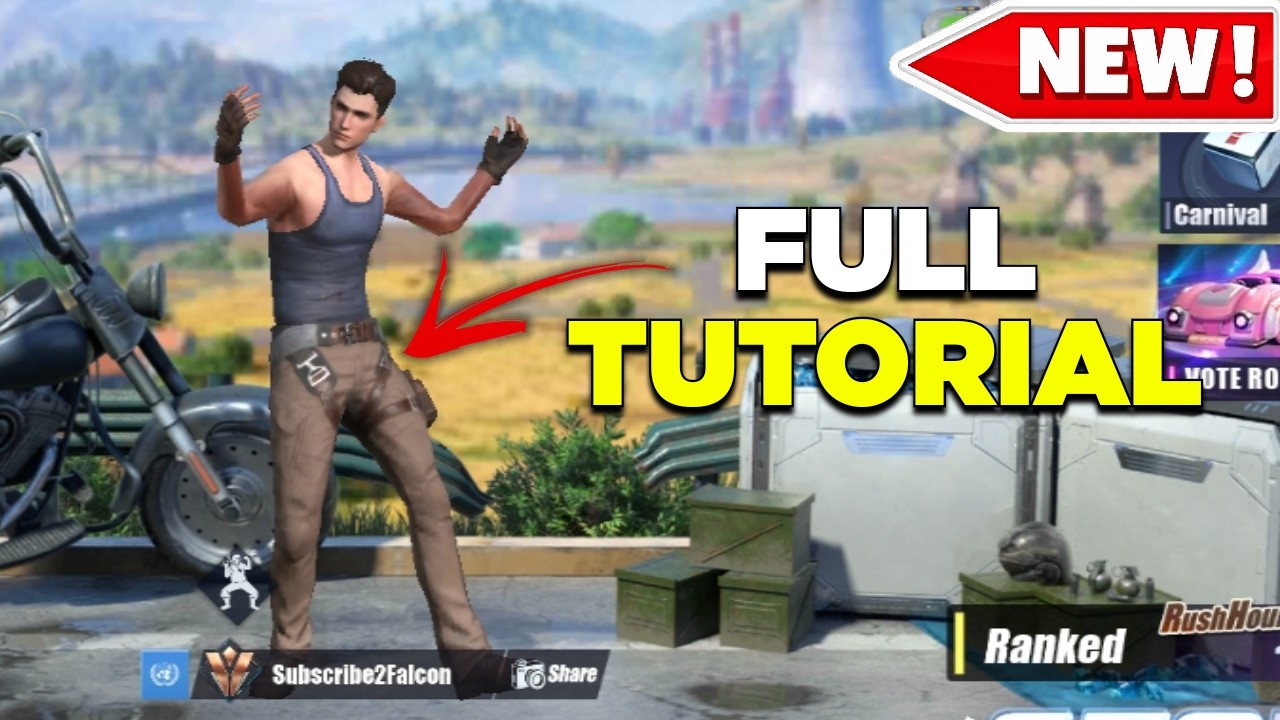
How to Download and Play ROS Legacy Mobile Full Tutorial!
Open on YouTube ↗
ROS Legacy: FPS Performance Just Got a MAJOR Upgrade!
Open on YouTube ↗
RoS Legacy: PC Close Beta Test #3
Open on YouTube ↗Direct source links
- Official ROS Legacy site ↗Current official site, verified September 27, 2026: status Open Beta since September 25, Download for PC and Download for Mobile actions, five-phase roadmap with Official Release next and undated. The former ros.mythgames.net host stopped resolving on September 21, 2026.
- Myth Games game directory ↗First-party company status and genre labels; listed ROS Legacy as Under Development on September 22, 2026.
- Official ROS Legacy Discord ↗Official ROS Legacy server (discord.gg/roslegacy); the invite formerly listed on the Myth Games hub page stopped resolving on September 21, 2026.
- Falcon2FAST channel ↗Readable community video archive; not a release authority.
Frequently asked questions
Does this tracker publish game updates automatically?
It automatically refreshes source health, check time and the labelled community-video list. A change on an official source is flagged for a person to read. Release dates, installer links, platform claims and final mechanics are updated only after that person verifies the changed source and edits the correct guide.
How often are ROS Legacy sources checked?
The repository schedule runs every six hours and can also be started manually. The status panel shows the last generated check time and each source's health. Hosting or network failures may delay a run, so the displayed timestamp is more reliable than assuming the schedule completed.
Why is a YouTube creator included beside official sources?
The creator feed supplies recent visual material that players are already using to follow development. It is displayed in a separate community tier and cannot change the official status. The distinction lets the wiki offer useful footage without presenting creator titles as publisher announcements.