GAMEPLAY BRIEF // FACTS BEFORE FEATURES
ROS Legacy Gameplay
ROS Legacy now has public Windows and Android builds and a substantially clearer official gameplay brief. The official game page captured on August 15, 2026 specified 100 players, squads of one to four, a shrinking battlefield, a last-alive objective, seven named combat zones and Aegis Anti-Cheat. It also describes dropping, looting, rotating and fighting as the match loop. Weapon statistics, loot probabilities, detailed controls, ranking rules and system requirements still need reproducible live-build evidence or first-party documentation.
01The confirmed 100-player match structure
The official game page captured on August 15, 2026 describes one flight path, one shrinking battlefield and one surviving winner. Its match panel lists 100 players, squads from one to four and the objective Last Alive. The public loop is expressed as drop, loot, rotate, engage, survive and repeat. These are now ROS Legacy-specific first-party statements rather than genre assumptions copied from another battle royale.
The page tells players to read the flight path, choose a landing zone, build a loadout from what they find and use communication and rotations to reach the final circle. It says players can queue solo or rally a squad. The squad range supports solo through four-player grouping, but the page does not publish separate queue names, matchmaking rules, bot counts, revival limits or ranked scoring. Those details should not be inferred from the 1–4 label.
That page called ROS Legacy a fan-made revival project and disclaimed affiliation with the original publisher or rights holders; roslegacy.net now credits Mirae Labs as publisher. Old Rules of Survival mechanics may explain community interest, but the live revival needs its own measurements. This page uses that official text for the stable match frame and leaves numerical weapon or loot tables empty until the accessible client can be tested with a version and repeatable method.
02Seven official combat zones
The official game page captured on August 15, 2026 names seven combat zones. Crash Site is presented as jungle wreckage with broken steel, dense cover and dangerous sightlines. The Slums is an urban area with tight alleys suited to fast reactions and close-range loadouts. Frostfall is a frozen ruined city where open crossings are risky. These descriptions identify terrain and likely engagement range, but they do not publish boundaries, loot tiers or exact map coordinates.
Highlands is described as exposed elevated ground for longer-range encounters. Dust Quarter is a desert settlement with low cover, rooftop angles and difficult rotations. Iron Town uses industrial lanes for ambushes and squad pushes. Oasis is another desert combat zone centered on controlling the waterline before the circle forces contact. The capitalization and order here follow the first-party page checked in September 2026.
These seven names are different from creator-titled locations such as Observatory, Echo Valley, Bitter Lake and Fearless Fiord. Both groups can appear in public ROS Legacy material, but they have different evidence. The seven combat zones are now first-party. Creator labels remain dated community observations unless the client or official documentation shows how they relate to the current battleground. A standalone map database should wait until those relationships and boundaries are reproducible.

03Squad doctrine and Aegis Anti-Cheat
The squad section of the former game page, captured August 15, 2026, recommended a balanced fireteam, sharing loot and protecting teammates. It used Vanguard, Scout and Anchor as doctrine labels: the vanguard opens a fight, the scout tracks rotations and threats, and the anchor holds cover and protects a revive. The page does not explicitly describe these as selectable classes, locked abilities or matchmaking roles. Treat them as tactical jobs a squad can divide, not as a confirmed character system.
Aegis Anti-Cheat is the fair-play system named on that page. It said client files and sessions are checked for unauthorized changes, suspicious tools and gameplay manipulation are monitored, and actionable detections can protect players and rankings. The linked policy prohibits macros, auto-clickers, bots, memory scanners, trainers, debuggers, process injection, DLL modification, packet manipulation, virtual-machine or hardware-identity evasion and cheat distribution.
The policy lists immediate disconnection, temporary or permanent account bans, ranking removal, restrictions on related accounts or devices and clan penalties for coordinated abuse. Players should not install unofficial patches, injectors or so-called performance tools that modify the client. A launcher problem should be handled through official support and ordinary driver or settings checks, not by disabling Aegis or changing game files.
04What community footage can still prove
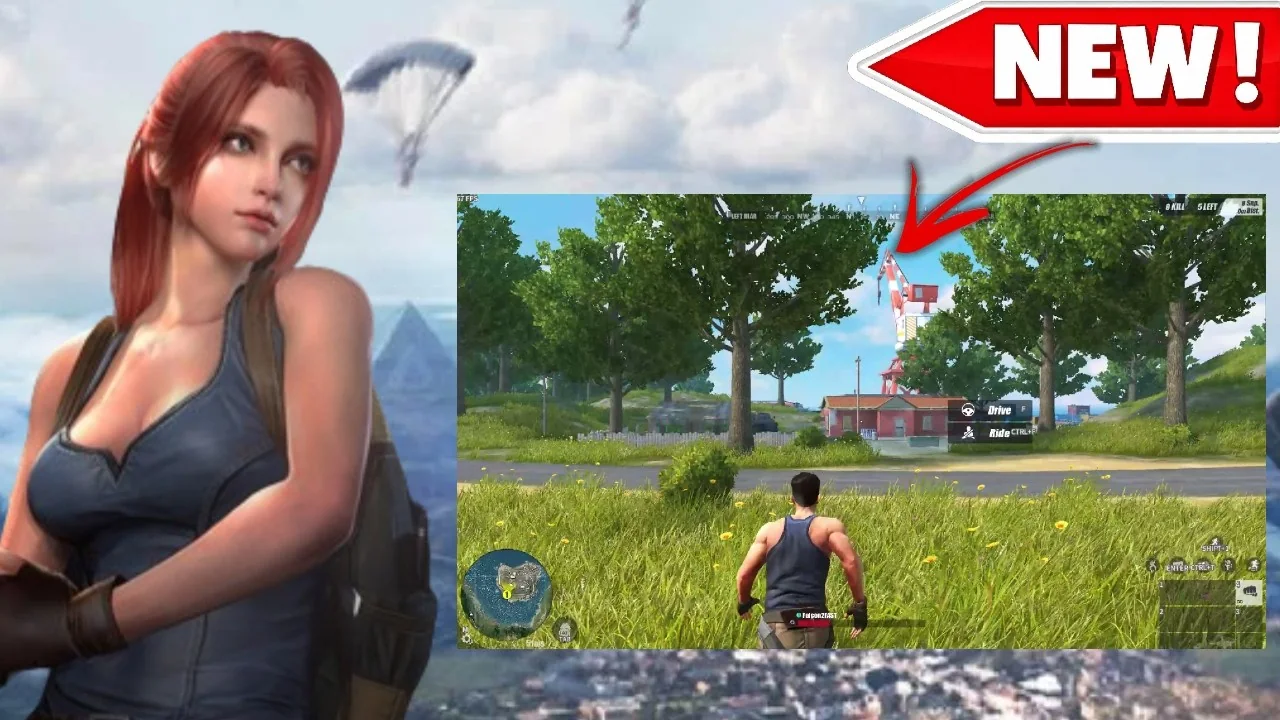
Falcon2FAST's earlier video titled “RoS Legacy: Pre-Alpha Test Gameplay is HERE!” shows a third-person character moving through outdoor terrain with buildings, trees, interface elements and a nearby vehicle prompt. Later creator uploads discuss settings, weapons, locations, alpha sessions and a closed beta. These recordings can preserve the appearance and behavior of the specific build shown, with the creator and date attached.
They do not establish final damage, recoil, loot rates, match population, server regions or permanent features. A video may use an invited build, older package, private environment or temporary rule set. When a creator title conflicts with the official game brief, the first-party source controls the current summary; the video remains an observation rather than being deleted or silently upgraded to official evidence.
The new public download makes repeatable testing possible in principle, but every numerical guide still needs a visible build identifier, method and sample. The current archive filename is not presented by Myth Games as a version. Until the launcher exposes a reliable version or patch record, measurements should include the date, region, mode and exact conditions so another player can reproduce them.
05How to document the current live build
Record the launcher or client version if one is visible, plus date, region and mode before testing. Capture the exact setting or item label before interpreting it. Separate behavior repeated across several matches from a one-time animation, network failure or tutorial event. A screenshot proves what the interface displayed; repeated controlled sessions are stronger evidence for a rule or statistic.
Compare categories instead of relying on memory from the older game. Note camera options, movement states, inventory structure, healing, revival, communication tools and match flow without assuming a familiar icon has the same effect. Preserve the capitalization and language of location and item names. For damage or timing tests, record the weapon state, range, armor, target condition and sample size.
Check the current terms and anti-cheat policy before using capture, overlay or testing tools. Do not inspect memory, inject code, modify DLLs, manipulate packets or use automation to collect data; those actions are expressly prohibited. Useful player documentation can be built from visible interface information and ordinary repeatable play without bypassing access or security controls.
Third-party pre-alpha footage
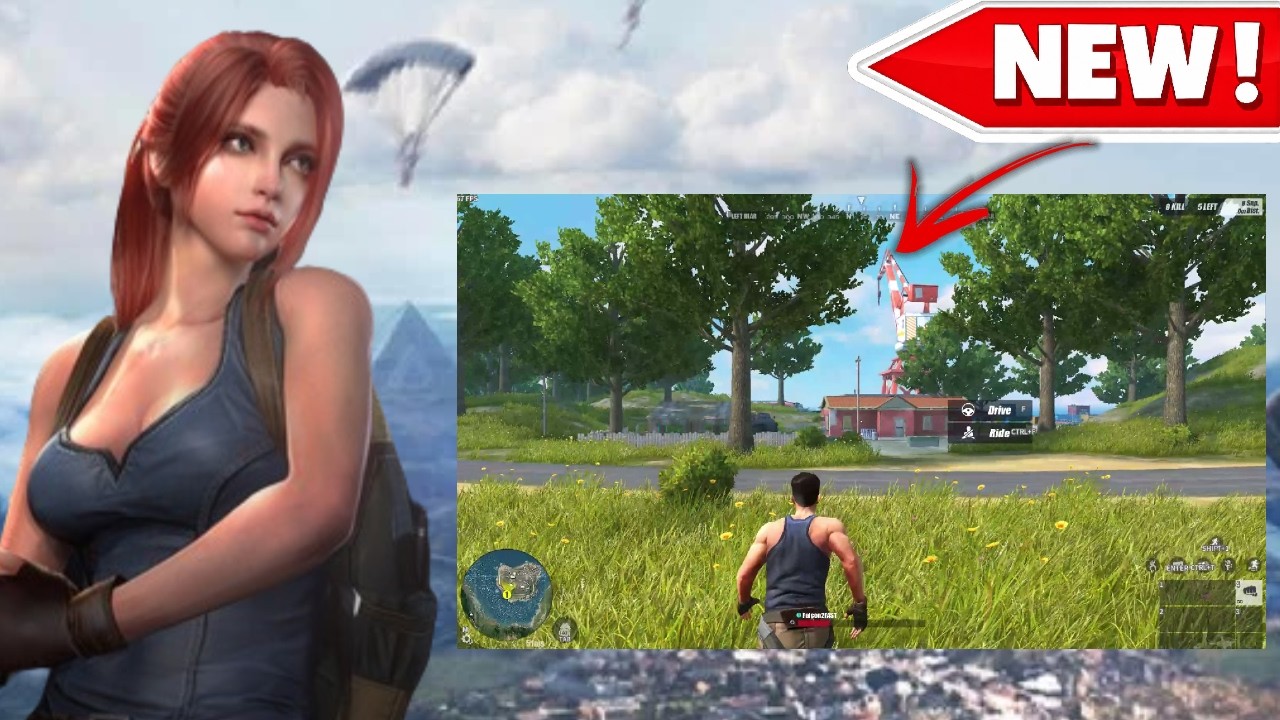
Credit: Falcon2FAST. The creator labels this footage pre-alpha; interfaces, environments and mechanics may change.
Direct source links
- Official ROS Legacy site ↗Listed by the operator as the official website in the Discord information channel, revision dated September 20, 2026. The former ros.mythgames.net host stopped resolving on September 21, 2026.
- Myth Games game directory ↗Lists ROS Legacy as Battle Royale, Under Development on September 22, 2026.
- Falcon2FAST pre-alpha video ↗Third-party creator footage used only for labelled visual observations.
Frequently asked questions
How many players are in ROS Legacy?
The official game brief captured on August 15, 2026 lists 100 players and squads from one to four, with Last Alive as the objective, and roslegacy.net still advertises 100 players with Solo, Duo and Squad modes. The August brief also describes one shrinking battlefield. Neither page publishes bot counts, ranked scoring or matchmaking details, so those remain build-specific questions.
What maps or zones are confirmed in ROS Legacy?
The former official game page named seven combat zones: Crash Site, The Slums, Frostfall, Highlands, Dust Quarter, Iron Town and Oasis. Creator-titled locations such as Observatory and Echo Valley remain separate community evidence until their relationship to the current official battleground can be reproduced.
Is ROS Legacy third person?
Third-party pre-alpha footage shows a third-person character view, and current creator videos continue to show live-build material. No official page publishes a complete perspective-options document. Treat third person as an observed build view, not proof that every mode locks the same camera.
What is Aegis Anti-Cheat?
Aegis is the anti-cheat system named on the official ROS Legacy game page captured on August 15, 2026; roslegacy.net does not currently mention it. Its policy prohibits automation, memory tools, process or DLL modification, packet manipulation and identity-evasion methods. Enforcement can include disconnection, bans, ranking removal and restrictions on related accounts or devices.
Does ROS Legacy use the old Rules of Survival data?
The revival may reuse recognizable ideas, but old weapon statistics, map data and balance values are not automatically current ROS Legacy facts. The former official game page identified the service as a fan-made revival. Current values need first-party documentation or repeatable observation from the accessible build.